
Why Chac Mool Is One of the Best Cave Diving Sites in Mexico

Updated: Sep 12

chac mool entry


The Yucatán Peninsula is home to one of the largest underwater cave systems on Earth. Hidden beneath the jungle lies a flooded labyrinth of limestone tunnels, crystal-clear freshwater passages, ancient rock formations, and dramatic light effects. Among these famous Mexican cenotes, Chac Mool Cenote stands out as one of the most accessible and beautiful cave diving locations near Cancun and Playa del Carmen.
For scuba divers seeking an unforgettable adventure, Chac Mool offers something rare. Sunlight pours through jungle openings. Haloclines shimmer like liquid glass. Massive chambers reveal stalactites that formed thousands of years before the caves flooded. It feels less like a dive and more like entering another world.
This guide covers cave diving safety, lighting techniques, equipment, thermoclines, and best practices for exploring cenotes in Mexico.
What Is a Cenote?
A cenote is a natural sinkhole formed when limestone bedrock collapses and exposes groundwater beneath the surface. The word comes from the Mayan term dzonot, meaning "sacred well."
The Yucatán Peninsula contains thousands of cenotes connected through vast underground cave systems. Many are open pools, while others lead into extensive flooded passages that stretch for miles beneath the jungle.
These caves attract divers from around the world because they offer:
Exceptional visibility often exceeding 100 feet
Unique geological formations
Freshwater diving conditions
Dramatic natural lighting
Access to some of the longest underwater cave systems on Earth
Chac Mool combines all of these features into a single dive site.
Understanding the Difference Between Cavern Diving and Cave Diving
Many divers use the terms interchangeably, but they are very different.
Cavern Diving
Cavern diving remains within sight of natural daylight and the entrance. Divers can always see a direct route to the surface.
Most recreational divers visiting Chac Mool participate in guided cavern dives. Characteristics include:
Visible natural light
Permanent guide lines
Recreational scuba equipment
Limited penetration into the cave
Cave Diving
True cave diving goes beyond the daylight zone and requires specialized training. Characteristics include:
No visible exit
Overhead environment
Advanced gas management
Redundant life support systems
Specialized navigation skills
Never attempt cave diving without proper certification and training. Cave systems are unforgiving environments where mistakes can become fatal.
The Magic of Chac Mool Cenote
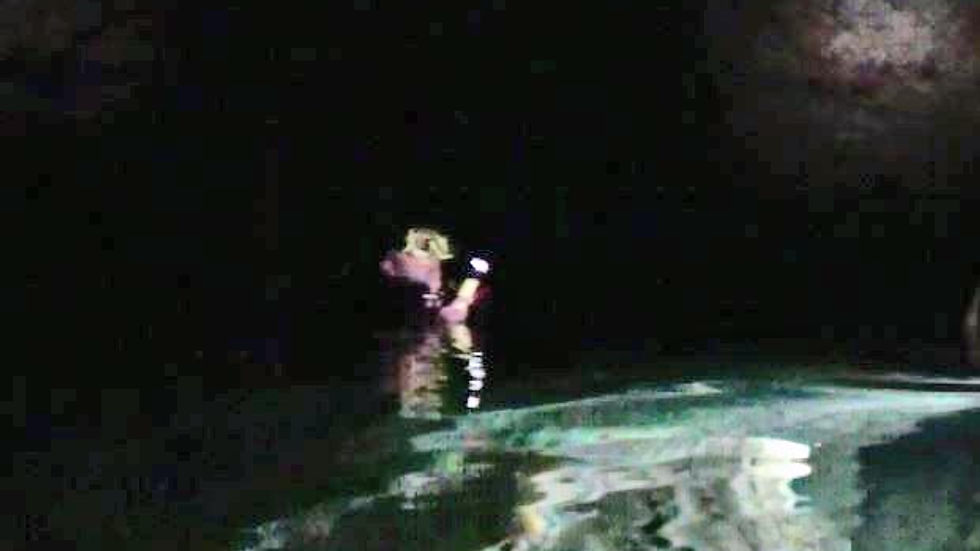
The moment you descend into Chac Mool, the outside world disappears. Sunbeams slice through the water like cathedral windows. Limestone walls glow beneath your dive light. Massive chambers open into darkness while ancient stalactites hang from the ceiling.

chack mool entrance


One of the most famous features of Chac Mool is its spectacular light show. During sunny mornings, shafts of sunlight penetrate the cavern entrance and create visible columns of light. Divers often describe the experience as flying through liquid sunshine. For underwater photographers and videographers, this is one of the most photogenic dive sites in Mexico.
The Thermocline and Halocline: Nature's Underwater Mirage
One of the most fascinating features of cenote diving is encountering a thermocline and halocline.
What Is a Thermocline?
A thermocline occurs when water temperatures change rapidly over a short depth range. In many cenotes, the upper freshwater layer is warmer due to surface heating. Deeper water may be noticeably cooler.
When divers pass through the thermocline, they can feel an abrupt temperature change across their face and exposed skin. The sensation is similar to walking from a warm room into air conditioning.
What Is a Halocline?
The halocline is even more dramatic. A halocline forms where freshwater and saltwater meet. Freshwater enters the cave system from rainfall filtering through limestone. Saltwater enters from the nearby Caribbean Sea. Because saltwater is denser, it settles beneath the freshwater layer.
At Chac Mool, divers often descend through this mixing zone. The result is astonishing. Looking through the halocline can make the cave appear blurry and distorted. Rock formations seem to ripple and bend. Dive lights scatter through the water. It resembles a heat wave shimmering above a desert highway. Once divers pass completely through the layer, visibility becomes crystal clear again. Many first-time cenote divers consider the halocline one of the highlights of the entire dive.
Essential Cave and Cenote Diving Equipment
Proper equipment is critical in overhead environments.
Primary Dive Light
Your primary light is your most important tool. Even in cavern zones illuminated by sunlight, shadows can hide details and reduce visibility. A powerful primary light allows divers to:
Illuminate cave formations
Communicate with light signals
Navigate safely
Enhance underwater photography
Always check battery levels before entering the water.
Backup Lights
The cave diving community follows a simple rule: One is none. Two is one. Certified cave divers carry multiple backup lights because a single failure should never leave a diver in darkness. For cave diving, three lights are standard:
One primary light
Two backup lights
Exposure Protection
Water temperatures in Mexican cenotes typically range from 75°F to 78°F (24°C to 26°C). Many divers wear:
3mm wetsuits
5mm wetsuits
Hoods for extended dives
The thermocline can make deeper sections feel cooler than expected.
Redundant Air Systems
For technical cave diving, redundancy is essential. Common configurations include:
Twin tanks
Sidemount systems
Independent regulators
These systems provide backup breathing gas should equipment fail.
Cave Diving Safety Rules Every Diver Must Know
The cave diving community developed safety standards through decades of experience. These rules save lives.
Follow the Guideline
Permanent guide lines mark safe routes through cave systems. chac mool entrance Never leave the guideline. In zero visibility conditions, the line becomes your path back to the exit.
Maintain Proper Buoyancy
Good buoyancy control prevents damage to fragile cave formations. It also prevents silt disturbances. A careless fin kick can create a "silt out" where suspended sediment reduces visibility to zero. The best cave divers appear almost motionless in the water.
Use the Rule of Thirds
The Rule of Thirds is a standard gas management technique:
One-third of gas for entering
One-third for exiting
One-third reserved for emergencies
This provides a safety margin if problems occur.
Stay Within Your Training
This may be the most important rule of all. Cenotes can create a false sense of security because the water is calm and visibility is excellent. Yet cave systems become dangerous when divers exceed their training. Advanced cave penetrations require specialized certifications and experience. There are no shortcuts.
Lighting Techniques for Underwater Photography and Video
Cenote photography is all about light. !Inside Chac Mool
The best images often combine natural sunlight with artificial illumination.
Use Sunbeams Creatively
Morning dives typically produce the strongest light rays. Position yourself so the sunbeams frame the diver or cave formation. The resulting images often become the most memorable shots of the trip.
Avoid Overlighting
Many photographers make the mistake of flooding the scene with artificial light. Instead, use your lights to enhance the natural atmosphere. The darkness is part of what makes cenotes magical.
Capture Scale
A diver positioned beneath a massive cavern ceiling helps viewers understand the size of the cave. Without a subject, even enormous chambers can appear small on camera.
Why Chac Mool Should Be on Every Diver's Bucket List
Mexico offers dozens of spectacular dive sites and cenotes, but Chac Mool remains one of the most iconic. It combines:
Stunning cavern formations
Crystal-clear water
Dramatic sun rays
Fascinating haloclines
Comfortable diving conditions
Easy access from Cancun and Playa del Carmen
Whether we are recreational scuba divers exploring the cavern zone or trained cave divers venturing deeper into the system, Chac Mool delivers an experience unlike any reef or wreck dive. The jungle above may appear ordinary. Beneath the surface lies an ancient world carved by time, illuminated by sunlight, and preserved in remarkable clarity.
For many divers, their first descent into Chac Mool is the moment they realize that some of the most extraordinary places on Earth are hidden underground. For more of my Scuba Content check out my Blog here.
Comments